Issues with suspension in a car

Standard

The suspension system in most cars is a complex combination of components working together to ensure a nice smooth even ride. Suspension is set up differently in all cars and can be firmer in sporty models and softer in off road vehicles.

If there is an issue with the suspension it can be hard to diagnose as the symptoms can be a result of a number of issues within a car such as wheel alignment or uneven tyre pressure. The main symptoms are the car shaking or juddering when driving and the car looking uneven whilst stationary.

Issues with suspension can cause the car not to handle effectively which can be very dangerous in a situation where you’d need to steer quickly to avoid a collision. Also with excessive tyre wear caused by suspension issues the car is more likely to lose grip and skid especially in poor weather conditions which is equally dangerous.

If you suspect any problems with your suspension always get it checked out as if left it can have a knock-on effect and cause issues with many other parts of your car.
 

The importance of checking the oil in your car

Standard

Part of the very basic level of car maintenance is checking your oil level regularly, it is recommended that you check your oil once a month and before a long journey.

The purpose of the oil in your car is to keep the moving parts cool and lubricated to stop grinding damage and dirt build up within the car’s engine. As soon as the levels start to drop you need to top up the oil with the recommend type stated in your cars manual, if you are unsure which oil to use you could always check at your local garage to be sure.

Along with keeping the oil level up in your car it’s also important to have the oil changed frequently, as each car is different and needs oil changes at varying frequencies it’s not a good idea to follow the old rule of ‘change every 3000 miles’ it’s vital that you check the manual. Most car services will check and change your oil and filters if needed but if in doubt just ask when you get your car booked in. Better safe than sorry!

MOT certificate explained

Standard

All cars over three years old need to have a valid MOT certificate. An MOT is an inspection that is carried out on the vehicle by a certified garage. All MOT testing centres have a tick sheet of items that need to be checked during an MOT and they will report back any findings that they come across in regards to items that do not meet the standards or are close to not meeting the standards. These items are then put on to the MOT report which will show if that car has passed or failed. If the car fails on any of the MOT checklist items it will instantly fail and these issues will need to be rectified before a valid MOT can be issued. If they are close to failing then they will be put on an advisory list.

All MOT’s are now stored on a central Government system which the police and other authorities have access to. You are not allowed to drive a car on the road without a valid MOT unless you are driving it to a MOT testing station and have booked it in.

Keeping your car serviced to increase fuel economy

Standard

With the price of fuel rising rapidly over the past ten years, we all want to try and find ways to cut down on our running costs. Most cars require a service every year or ten thousand miles, which ever comes sooner. Some models now have what called long life is servicing meaning they can go twenty or even thirty thousand miles before the service light will pop up on your dash.

Chances are if you own a new car you will keep up to date with the services, so as not to void the warranty if nothing else. But for those of us with second hand cars it is often easy to put it off. Research has proven that timely servicing will reduce your fuel costs. During a routine service particular filters will be replaced and these are one of the items that can cause a car to use more fuel than it needs to.

Sourcing car parts for a repair

Standard

machine-393632_640

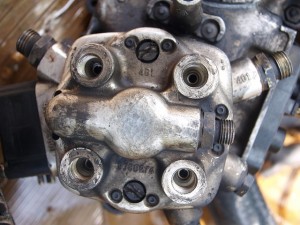
If you have to have a repair carried out on your car, then it may be worth trying to source the parts required yourself. You need to check with the mechanic or garage that you are going to use that they would be happy to fit parts from elsewhere. Most garages will do this, but obviously will not put any warranty on the parts supplied.

There are many places that you can find car parts online such as eBay, Gumtree and Euro Car Parts to name a few. If you are buying second hand car parts, check to see if they give you any warranty, as once you have purchased it you may find that it does not work and that you have lost out on your money. Also check if you can return the car part if it is incorrect.

To source car parts yourself, you really need to be confident that you know what you are buying.